



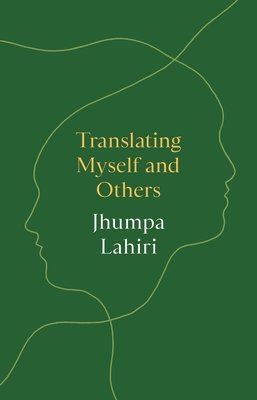
13 Jun Book Review of Translating Myself and Others
Review of Translating Myself and Others by Jhumpa Lahiri
If I were in the delightful position of selecting ten guests for a fantasy dinner, Jhumpa Lahiri would undoubtedly be my first pick. Not only is she a Pulitzer Prize-winning author, but her multilingual prowess captures a world of stories that transcend borders. Her latest book, Translating Myself and Others, drew me in with the promise of exploring her deep relationship with language, and let me tell you, it didn’t disappoint.
Lahiri’s essays resonate with anyone who has grappled with identity in a multilingual landscape. In her previous work, In Other Words, she chronicled her journey of learning Italian; in Translating Myself and Others, she expands on that journey, detailing the intricate beauty of becoming a translator. The very first essay poses the provocative question: “Why do you speak our language?” This inquiry isn’t just a challenge; it’s a reflection of her struggle to find belonging in a language that feels both foreign and intimate. Lahiri’s exploration of her linguistic identity feels raw and real, inviting readers to ponder their own relationships with language.






One of the strongest themes that emerges is the tension between freedom and constraint that comes with language. Lahiri shares her desire for liberation in the Italian language, yet acknowledges her feeling of being linguistically orphaned—an author without a definitive mother tongue. This sense of searching for belonging resonates deeply with me, as I, too, have moments of feeling caught between languages and cultures.
Lahiri’s writing style in this collection is nothing short of exquisite. Her prose flows with a crispness that makes complex ideas accessible. The way she articulates the nuances of translation—how it demands not just literal accuracy, but a profound engagement with the underlying meaning—is captivating. For instance, her insight that "translating goes beyond the face value of words" struck a chord with me. It reminds us that language is not just a tool, but a bridge to understanding other worlds.
One particular chapter, “Substitution,” highlights the distinct difference between creating original narratives and the intense scrutiny that translating demands. This exploration provides a fascinating glimpse into Lahiri’s mind, making me appreciate the art of translation anew. It’s clear that each choice she makes in her translations is steeped in significance, challenging my own perceptions of the ease with which we often navigate between languages.
The layers of references throughout the essays—T.S. Eliot, Aristotle, and Elena Ferrante—add richness to her thoughts. Each citation feels like a thread woven into her narrative tapestry, and I found myself lingering on the passages that echoed my own literary influences.
As I closed the book, I couldn’t help but reflect on my own relationship with language and storytelling. Translating Myself and Others is not just for linguaphiles; it’s a thought-provoking exploration that anyone with a passion for words and storytelling will appreciate. It invites readers to reconsider their own experiences with language, identity, and the personal journeys we undertake in seeking to bridge our worlds.
This book will resonate with writers, translators, and anyone intrigued by the complexities and beauty of language. For me, reading this collection felt like a conversation with a dear friend—insightful, invigorating, and deeply personal. If you’re looking for a book that prompts self-reflection and admiration for the written word, Translating Myself and Others is a must-read. I know I’ll return to it again, savoring its wisdom and the joy of discovery it offers.
Discover more about Translating Myself and Others on GoodReads >>
