



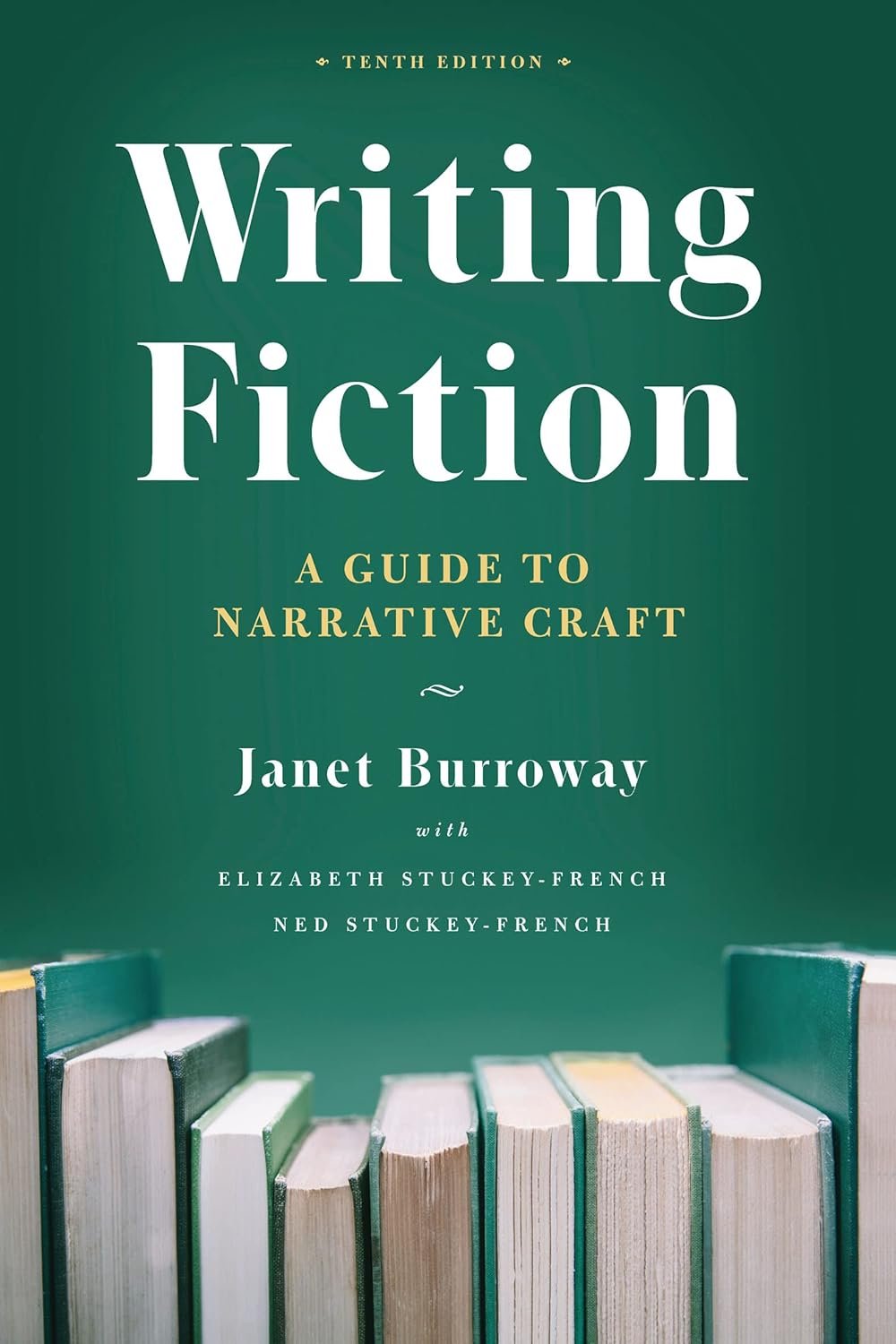
24 Aug Mastering the Art of Storytelling: A Deep Dive into ‘Writing Fiction: A Guide to Narrative Craft’
Book Review: Writing Fiction: A Guide to Narrative Craft by Janet Burroway
As a budding writer constantly on the hunt for guidance, Janet Burroway’s Writing Fiction: A Guide to Narrative Craft piqued my interest for its reputation as a staple in the creative writing world. This updated tenth edition, part of the Chicago Guides to Writing, Editing, and Publishing series, promised not just the foundational principles of narrative craft but a fresh perspective, complete with new prompts and contemporary examples. Little did I know, this book would not only refine my skills but also reignite my passion for storytelling.
From the moment I dove into the pages of Writing Fiction, Burroway’s voice felt like that of an encouraging mentor, guiding you with warmth and clarity. Her chapter on "showing versus telling" was particularly illuminating. Rather than falling into the usual traps of exposition, Burroway artfully demonstrated how to enrich narratives with vivid imagery and sensory details. This resonated with me deeply, as I reflected on how often I have defaulted to telling rather than immersing my readers in the experience.
One of the book’s strengths is its comprehensive approach, covering everything from characterization and dialogue to atmosphere and point of view. The pacing of each chapter is just right; Burroway balances theory with hands-on exercises, encouraging readers to engage actively with the material. The prompts at the end of each chapter inspired me to break through creative blocks that had been lurking for too long. It’s amazing how a well-placed writing prompt can spark an unexpected idea, leading to the very characters and stories waiting to be uncovered.




Highlighting effective storytelling techniques, Burroway peppered the text with quotes and examples from a diverse array of contemporary writers. I particularly appreciated her recommendations, which expanded my reading list while reinforcing the principles discussed. One memorable quote that stuck with me was, “Characters are the heart of your story; they drive the plot and give it life.” This succinct reminder nudged me to consider my own characters more critically, leading me to ask: Are they just vehicles for my story, or do they resonate with depth and authenticity?
The updated edition’s focus on contemporary voices made the craft feel relevant and urgent. Burroway respects the evolution of narrative form, addressing topics like hybrid genres and experimental storytelling, which reflect today’s literary landscape. This is crucial for anyone curious about where their writing fits in the modern world.
In conclusion, I wholeheartedly recommend Writing Fiction to writers at every stage of their journey. Whether you’re a novice wrestling with your first draft or a seasoned author seeking new inspirations, Burroway’s insights provide a powerful toolkit for honing the art of storytelling. Personally, this book has reinvigorated my love for writing, encouraging me to explore the depths of my imagination and the intricacies of narrative craft. If you’re ready to embark on or continue your writing journey, I can’t think of a better companion than Janet Burroway. Grab your notebook and enjoy the exploration!
