



16 Sep Unlocking the Future of Writing: A Deep Dive into the CHATGPT AI Book Writing Formula
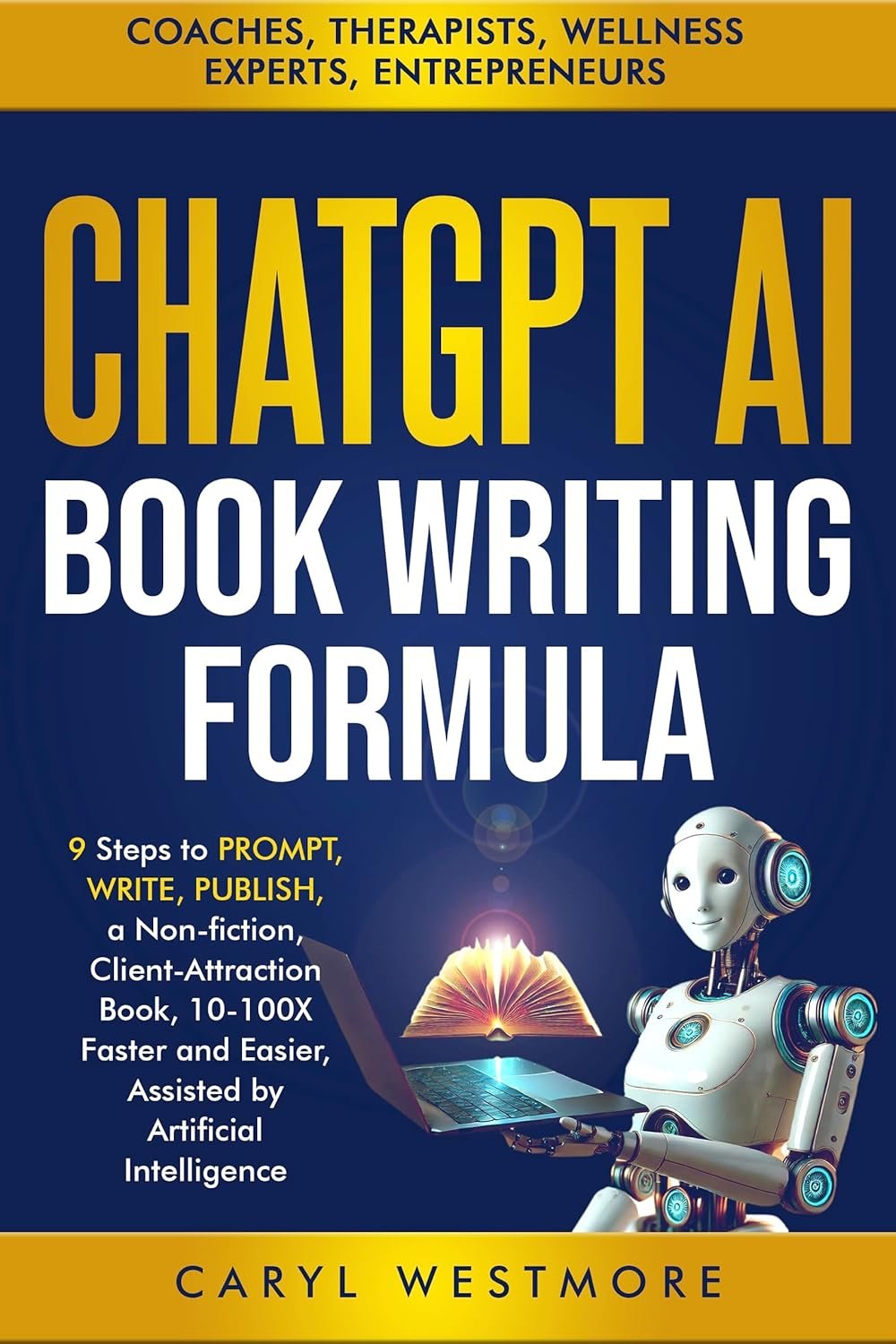
Book Review: CHATGPT AI BOOK WRITING FORMULA: Coaches, Therapists: 9 Steps to PROMPT, WRITE, PUBLISH by Caryl Westmore
As a book blogger, I have always been intrigued by the intersection of creativity and technology. So, when I stumbled upon CHATGPT AI BOOK WRITING FORMULA by Caryl Westmore, I felt a spark of curiosity. Could artificial intelligence actually help someone like me—struggling with writer’s block—bring a book idea to life? Having spent over a decade wrestling with my own writing processes, Westmore’s promise to help coaches, therapists, and entrepreneurs write and publish their non-fiction books 10 to 100 times faster was simply too enticing to resist.
Westmore writes with an inviting, conversational tone that makes her insights feel personal and accessible. Drawing from her extensive experience as a former journalist, coach, and bestselling author, she distills the often-daunting task of writing a book into just nine simple steps. These include everything from clearing writer’s block to igniting a buzz for your book launch. For someone who has often felt overwhelmed navigating the book writing process, having a clear roadmap is refreshing.
The real magic lies in how Westmore melds traditional writing wisdom with cutting-edge AI technology. A standout aspect of the formula is the concept of becoming a "Prompt Ninja," which captures my attention immediately. As she points out, the effectiveness of ChatGPT hinges on how we communicate with it. This struck a chord; it’s a reminder that successful partnerships—whether with artificial intelligence or human co-authors—rely heavily on effective communication. The idea that we can train AI to echo our unique voices rather than producing sterile “AI-speak” reshapes the narrative around modern book writing.






One of my favorite moments was when Westmore described brainstorming book ideas on a sandy Caribbean beach, smartphone in hand, bouncing ideas off her virtual co-pilot. This imagery is not just fun; it invites readers to rethink our stereotypical views of writing as a solitary, sometimes grim task. Instead, she beautifully illustrates writing as something dynamic and enjoyable.
Her approach seems especially well-suited for the busy coaches and therapists who often feel overwhelmed by the demands of their profession. The concept of blending our intrinsic passions and advice with AI’s efficiency can feel revolutionary, not just for seasoned authors but for aspiring writers too.
In conclusion, CHATGPT AI BOOK WRITING FORMULA isn’t just a set of instructions; it’s an invitation—an enthusiastic nudge to embrace technology as a writing ally. If you’re a coach, therapist, or entrepreneur with a book idea rattling around in your head, this book is a treasure trove of actionable insights and encouragement. For those of us who have wrestled with the writing process, this volume might just be the companion we need to finally transform that long-held dream of publishing into a vibrant reality.
As I closed the last page, I found myself doing a mental happy dance, not just for the insights I acquired, but for the newfound excitement about my own writing journey. So if you’ve let that book idea languish for too long, maybe it’s time to take Westmore’s advice and have a little dance with ChatGPT. You never know where it might lead!
