



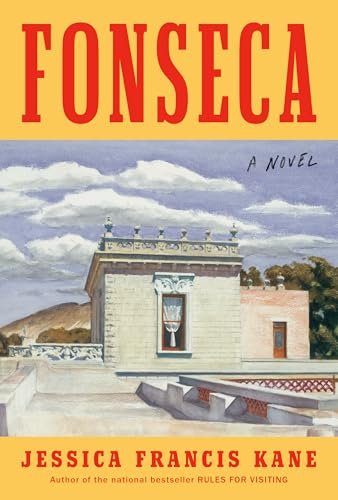
22 Nov Book Review of Fonseca
Enigmatic Echoes of Fonseca: A Journey Through Two Cultures
I stumbled upon Jessica Francis Kane’s Fonseca seemingly by chance, but it quickly captivated my curiosity—how could a novel set against the backdrop of a faded estate in Mexico during the 1950s be anything less than mesmerizing? As I delved into this rich narrative, I found myself enveloped in its charm, however the experience left me grappling with both admiration and a hint of disappointment.
The story begins with Penelope Fitzgerald and her son Valpy arriving in Mirando, Mexico, where the veil between two cultures begins to play a fascinating dance. The Day of the Dead ushers them in with a vibrancy marked by “whiskey marigolds” and echoes of a parrot sharply calling out “Jaas-per.” Kane sets the tone beautifully, emphasizing a key theme of doubleness as evidenced in her clever observation that Fonseca literally means “two cultures watching each other.”
Through each episode of the Delaney family’s interactions, Kane adeptly blends humor with cultural bewilderment. The rituals around queso fundido and the Rosca de reyes illuminate a world where traditions simultaneously enchant and confound the guests. As I read, I couldn’t help but visualize the texture of travel—apple churros tasted at the plaza, a donkey’s knowing gaze at the market, and a room filled with stuffed birds that seem to whisper untold stories. The meticulous detail in Kane’s prose creates a sensory experience that makes the reader feel as though they, too, are wandering through the sun-drenched garden of Mirando.



However, a sense of exhaustion weaves subtly through these gatherings. Kane’s invitation to reflect on the weight of family heritage leaves me both intrigued and slightly dissatisfied, as characters grapple with nostalgia while navigating a landscape of vibrant but disorienting customs. The postcard from Ernest—“Exits are the hardest part. I will never forget Fonseca”—lingers in the air like a haunting refrain, offering depth to the theme of travel as inherent to human experience.
Kane’s writing style mirrors the complexity of her themes, oscillating between irony and elegance. It reminded me of the nuanced storytelling of Henry James, where comedy dances with melancholy, but I found myself yearning for more—a deeper plot or a more pronounced conflict that might have piqued my engagement. The narrative, although composed of evocative moments, sometimes felt like a series of leisurely vignettes rather than a cohesive journey.
In conclusion, Fonseca is an intriguing exploration of cultural intersections, filled with moments of comic brilliance and poignant reflections on memory. It’s a novel that certainly has the potential to resonate with lovers of literary fiction who appreciate detailed character studies and the intricacies of cultural displacement. For me, the experience was both enjoyable and thought-provoking, though I left with a slight sense of yearning for a richer narrative arc. Perhaps this book will not only delight those seeking a unique atmospheric read but also inspire conversations on the nature of travel and the legacies we inherit along the way. Ultimately, while I may have enjoyed the scenery, I’m left pondering what the journey truly meant.
