



27 Nov Finding Flow: The Wisdom of Creativity in Zen and Writing
Discovering Ray Bradbury’s Muse in Zen in the Art of Writing
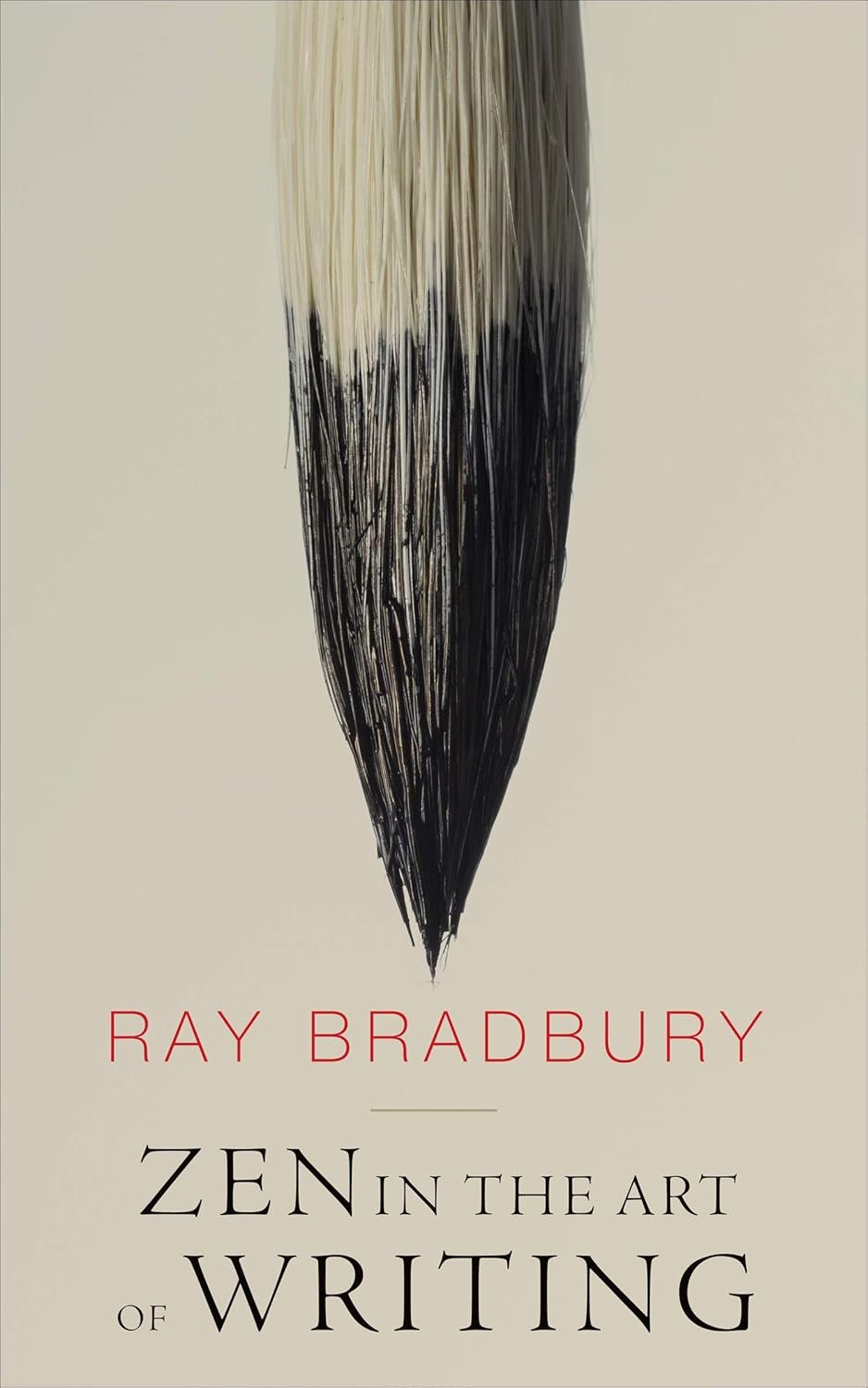
As a lifelong admirer of Ray Bradbury, I often find myself drawn to the alchemy of creativity he champions in his writing. When I stumbled across Zen in the Art of Writing, I had a feeling it would be a treasure trove of inspiration, and it did not disappoint. This delightful collection of essays breathes life into the often-stifling environment of writing advice, igniting a spark of enthusiasm in the aspiring wordsmith within me.
In this engaging work, Bradbury combines memoir with guidance, wrapping his insights in a warm, welcoming narrative that feels akin to a conversation with an old friend. The key themes he explores—passion for the craft, the importance of daily writing, and the wonders of imagination—resonated deeply with me. His mantra, “Write every day,” wasn’t mere rhetoric; instead, it’s a vibrant call to arms that beckons writers to commit to their craft like an artist wielding a brush.
One particularly striking essay details his habit of treating each day like a “creative explosion.” Bradbury encourages writers to wake up and let their ideas flow freely, urging us to latch onto the threads of inspiration we encounter. It was both refreshing and liberating—a reminder that writing is not just a tedious task but a joyful endeavor that can transform even the mundane into something magical. I found myself nodding along, heart racing with each revelation that felt like a mantra I’d long forgotten.



Bradbury’s unique style is enchanting. Through his poetic prose, he makes each sentence a brushstroke, creating vivid imagery that paints a picture of the writer’s world. He writes not just to instruct, but to share the very essence of his love for storytelling. One quote that lingered long after I closed the book was, “You must stay drunk on writing so reality cannot destroy you.” It resonated with me on a profound level; it encapsulates the delicate balance between reality and the fervent imagination that fuels our work.
The void often felt by aspiring writers is filled with Bradbury’s rich encouragement. The book is littered with nuggets of wisdom that felt tailor-made for anyone struggling to keep the creative flame alive. His suggestion to keep a word list—a simple yet effective technique—invited me to approach storytelling with a sense of playfulness rather than pressure. For Bradbury, creativity thrives when we allow ourselves to explore without the shadows of doubt lingering just out of sight.
Zen in the Art of Writing is more than just a guide; it’s a heartfelt invitation to realize that each person’s voice is invaluable. Whether you consider yourself a budding author or a seasoned writer, this book is an essential companion. It not only elucidates the creative process but also rekindles the joy and wonder that writing is meant to bring.
In a world often clouded with doubt and expectation, Bradbury’s words feel like a gentle, guiding light. I came away from this reading experience not only inspired to write more but also to embrace the magic of everyday moments as potential stories waiting to materialize. For anyone searching for a spark of creativity or a rekindling of passion for the written word, I wholeheartedly recommend this book—it’s a delightful celebration of writing and an affirmation of the unique journey every writer embarks upon. Dive in; you won’t regret it!
