



01 Dec Unveiling the Apostle: A Journey Through “Great Lion of God”
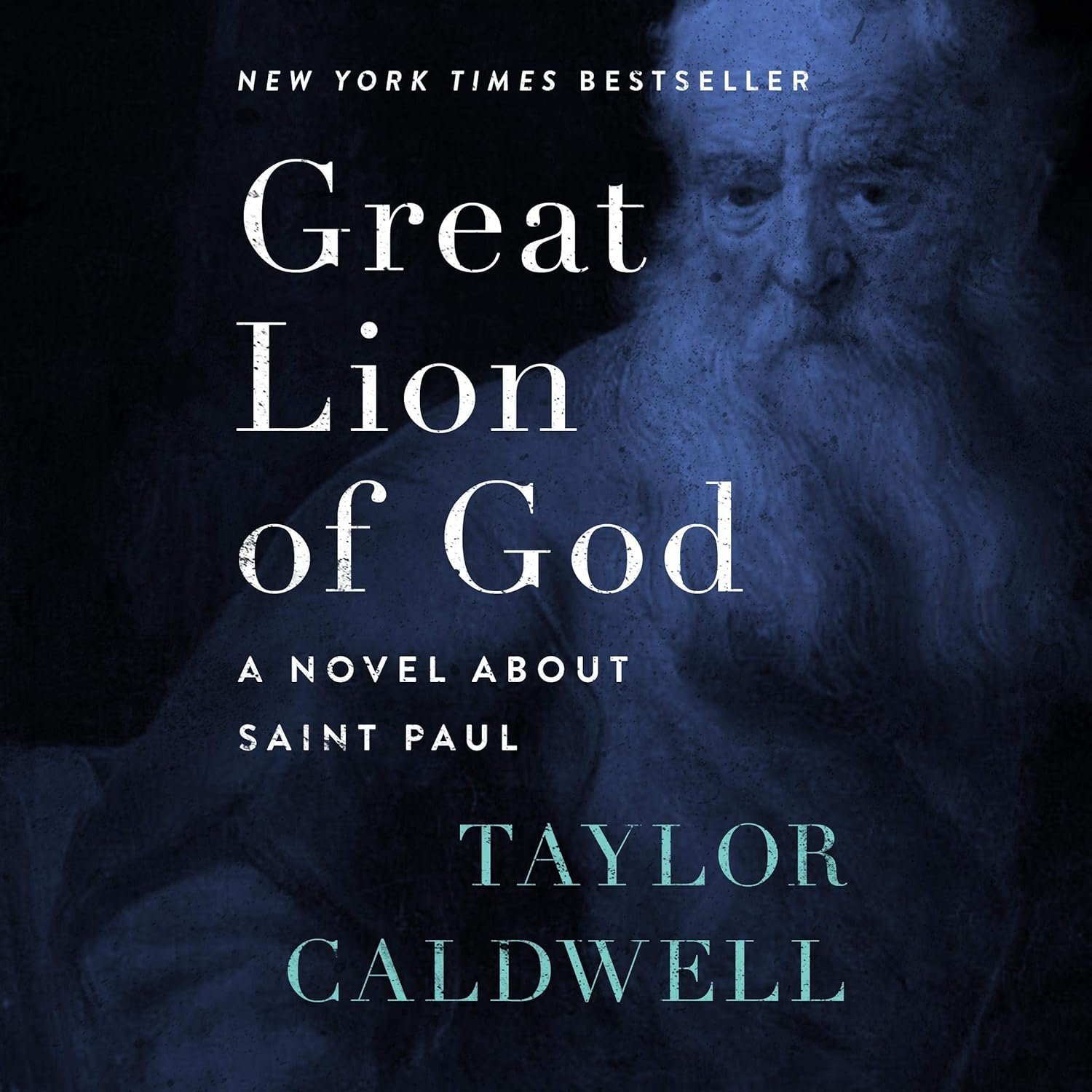
Book Review: Great Lion of God: A Novel About Saint Paul by Taylor Caldwell
When I first stumbled upon Great Lion of God, I felt a magnetic pull. The title alone spoke to the grandiosity of its subject, Saint Paul, a towering figure in the history of Christianity. Taylor Caldwell, best known for her richly woven narratives, had me intrigued. As someone who thrives on a blend of historical context and human depth in literature, I was eager to see how Caldwell would navigate the complexities of one of Christianity’s most formidable apostles.
The novel is a sweeping portrait of Saul of Tarsus, who dramatically transforms into Paul the Apostle after a life-altering encounter on the road to Damascus. Caldwell paints Paul not just as a saint but as a person filled with doubts, passions, and struggles—truly a "man like ourselves," as she describes. This approach resonated with me; it made the narrative all the more relatable, as I found myself reflecting on my own journey of faith and doubt.
The heart of the story dives deeply into the themes of redemption and transformation. We see Paul battling with his former life as a Pharisee, wrestling with the realities of his newfound faith, and ultimately emerging as a vibrant leader of the early Church. What stood out remarkably in Caldwell’s writing is her masterful weaving of fact and fiction, creating a narrative that feels both authentic and imaginative. It’s a lengthy read at over 600 pages, but I found myself comfortable in its rhythm, with Caldwell’s evocative descriptions of first-century Judea bringing the historical backdrop to life.






One particularly striking aspect of the novel is its rich characterizations. Figures surrounding Paul, including familiar New Testament characters, come alive in such a way that they almost leap off the pages. Caldwell imbues them with unique personalities and motivations that made me rethink my understanding of their roles. For instance, the portrayal of Paul’s relationship with early followers is both tender and fraught, showcasing the very human struggles of faith when faced with persecution and doubt.
Caldwell’s style is a delicious blend of lyrical prose and sharp dialogue, making the moments of introspection genuinely moving. I was captivated when a character asserts that “to truly live is to embrace suffering,” encapsulating the essence of a faith journey fraught with trials. This notion lingered with me long after I turned the final page.
Those who find themselves enthralled by historical fiction, especially within a religious context, will undoubtedly appreciate Great Lion of God. It’s a narrative that provides substantial insight into early Christianity, while also offering a personal journey that can inspire readers to reflect on their own beliefs and struggles. Whether you are a long-time follower of Caldwell’s works or a curious newcomer like I was, this book promises a satisfying exploration of faith, determination, and human connection.
In conclusion, Great Lion of God was more than just a novel for me—it was a reminder that every moment of doubt can lead to profound transformation. I wholeheartedly recommend it to anyone seeking a rich, engaging narrative about faith and humanity, and I can’t wait to dive into Caldwell’s other works, like Dear and Glorious Physician. This book truly revitalized my appreciation for storytelling that marries history with heart. Happy reading!
You can find Great Lion of God: A Novel About Saint Paul here >>
