



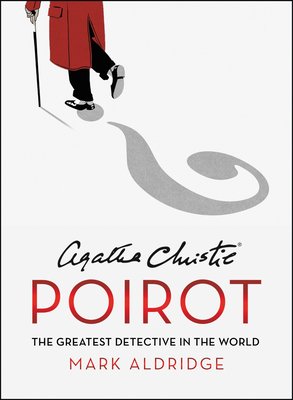
03 Jul Book Review of Agatha Christie's Poirot: The Greatest Detective in the…
A Journey Through Poirot’s Legacy: A Review of Agatha Christie’s Poirot: The Greatest Detective in the…
As an ardent admirer of Hercule Poirot—ranking him among my top five favorite literary characters—I was absolutely captivated when I stumbled upon Agatha Christie’s Poirot: The Greatest Detective in the… by Mark Aldridge. The opportunity to dive deeper into the mind and world of this iconic sleuth was too alluring to resist. I had hoped this book would unravel the complexities of Poirot’s character, shedding light on the nuances that have made him a perennial favorite among readers. However, what I received was a different kind of exploration, one that left me more intrigued but ultimately unsatisfied.
The book’s premise ventures into the realms of Agatha Christie’s writing process and the commercial exploitation of Poirot as an intellectual property, rather than providing the character study I had anticipated. While Aldridge does delve into the context of Christie’s life during the creation of each Poirot novel—information that I found interesting—it often felt like familiar territory, offering little that I hadn’t already gleaned from my own explorations of Christie’s works.
One of the primary weaknesses I encountered was the book’s repetitive structure. Each section follows a formulaic approach: a snapshot of Christie’s life during the writing period, a spoiler-free summary of the book, and a discussion of its critical reception filled with echoes from familiar reviewers. This format quickly became tiresome, especially since it didn’t dive deeply into how Poirot himself developed as a character within the narratives. Instead, it left me feeling that I didn’t know Poirot any better after this supposed in-depth analysis.



Additionally, the writing style posed a significant hurdle for me. Some paragraphs felt convoluted, requiring multiple readings to extract the intended meaning. Aldridge’s coyness, particularly regarding Christie’s personal struggles, diminished the clarity of his arguments. It felt especially frustrating when major influences—like Christie’s "tax troubles"—were only hinted at, leaving me yearning for a more candid exploration.
Moreover, a considerable section of the book is dedicated to adaptations of Poirot in various media. While I appreciate that many readers encounter Poirot on screen before diving into the novels, the excessive detail about obscure early adaptations didn’t resonate with me, slowing my engagement as I approached the end of the book. Given that I’m not a fan of adaptations, I found myself drifting in and out of focus as these discussions unfolded.
Lastly, a particularly surprising note was Aldridge’s overwhelmingly positive portrayal of Sophie Hannah’s Poirot novels. As someone who found the first entry in that series to be one of the worst reads in my recent memory, this enthusiastic endorsement felt out of step with the critical eye I expected.
In summary, I’d rate Agatha Christie’s Poirot: The Greatest Detective in the… a C-. While it may offer insights for those intrigued by the behind-the-scenes aspects of Christie’s legacy and her methods of adaptation, it may disappoint those seeking a heartfelt exploration of Poirot himself. If you’re captivated by the business of storytelling or the evolution of crime fiction, this book might resonate; however, if you’re looking to deepen your understanding of Hercule Poirot, you may find yourself wistfully searching for that elusive character study elsewhere.
Despite my frustrations, my love for Poirot remains undiminished; I still hold onto my hope that one day, a book will come along that truly explores his fascinating psyche. Until then, I’ll continue to cherish Agatha Christie’s classic mysteries, where Poirot shines brightly in all his quirky glory.
Discover more about Agatha Christie's Poirot: The Greatest Detective in the… on GoodReads >>
