



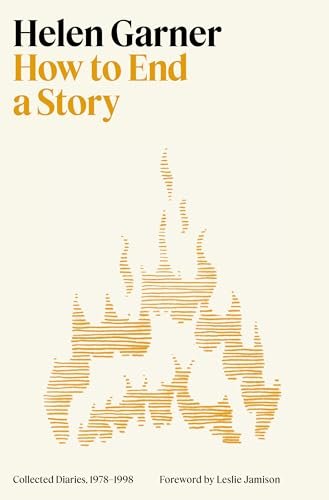
23 Nov Book Review of How to End a Story: Collected Diaries, 1978-1998
Book Review: How to End a Story: Collected Diaries, 1978-1998 by Linda B. C. Lee
From the moment I stumbled upon How to End a Story: Collected Diaries, 1978-1998, I felt an undeniable pull towards its pages. Perhaps it was the allure of delving into the personal thoughts of someone who has navigated life’s winding paths, or the sense of nostalgia that came with revisiting the late 20th century through another’s eyes. Author Linda B. C. Lee, whose keen observations and insights have long resonated with readers, offers a compelling perspective on the intersection of life and literature. As I turned each page, I found myself wrapped in a tapestry of experiences and emotions that feel both intimate and universal.
Lee’s collected diaries present a beautifully intricate portrait of the author as she juggles her career, friendships, and the challenges of daily life. Spanning two decades, the entries capture raw vulnerability, humor, and a longing for connection. Key themes include the struggles of self-identity, the intricacies of relationships, and the quest for meaning in both the mundane and the extraordinary. I was especially struck by how Lee reflects on her writing journey, where she wrestles with insecurity and ambition, making her deeply relatable. It’s like having a conversation with a wise friend who has seen it all yet still grapples with the same questions we often face.
One aspect that stood out was Lee’s evocative writing style, which is both lyrical and unpretentious. Her ability to capture fleeting moments with precision made me appreciate the beauty found in everyday life. The pacing felt natural, leading me through galvanizing highs and revealing lows, as if I were walking beside her through time. For example, her entry on simply observing a rainy day turned into a meditation on loss—a reminder that every mundane moment can hold significant weight.


Memorable quotes lifted from her diaries hung with me long after I had closed the book. One that particularly resonated was, “Every ending is a beginning cloaked in the shadows of what was.” This profound reflection encapsulates the essence of her journey, inviting readers to explore their own narratives and consider how endings can often be new beginnings in disguise. The testimonials woven throughout the book also enrich the reading experience, affirming the impact Lee has had on those around her.
This collection is a treasure for anyone interested in the art of diary writing or memoirs. Those who love literature that explores the human condition will find themselves deeply immersed in Lee’s reflections. Her insights remind us that while our stories may diverge, the emotions we experience unite us in profound ways.
Overall, reading How to End a Story felt like an intimate encounter rather than a passive experience. I walked away not just with an appreciation for Lee’s narrative craft but also with a renewed sense of curiosity about my own journey. If you’re in search of a book that marries the deep currents of personal history with the lightness of everyday observations, dive into this collection. You may just find new meaning in your own story.
Discover more about How to End a Story: Collected Diaries, 1978-1998 on GoodReads >>
