



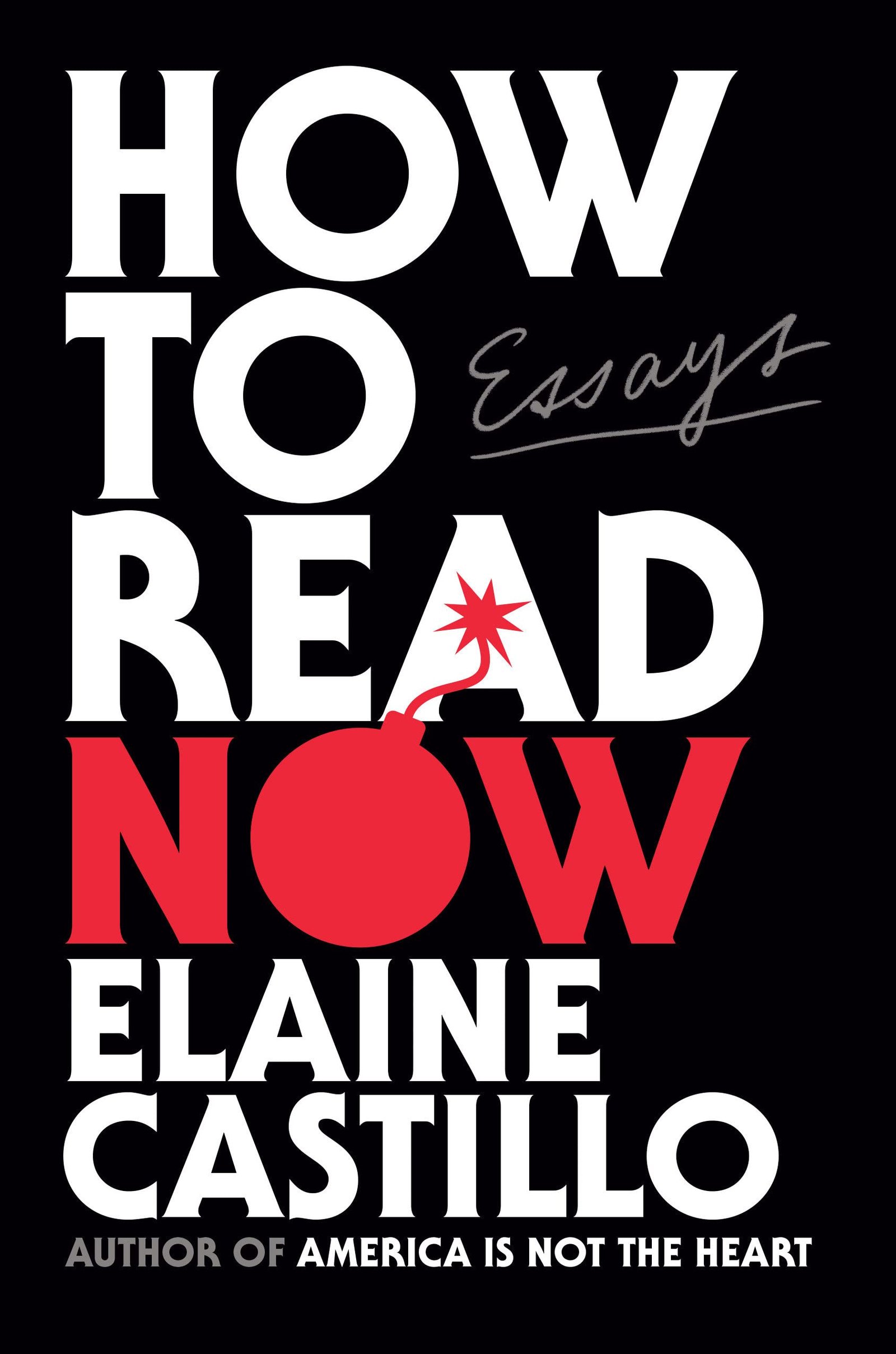
27 Sep Book Review of How to Read Now
How to Read Now by Elaine Castillo: A Deep Dive into the Art of Reading
From the moment I picked up How to Read Now by Elaine Castillo, I felt an exhilarating pull, a whisper suggesting that this was a book both personal and provocative. Perhaps it was the promise of a fresh lens through which to explore the aggravating and joyous nuances of reading culture—something that many of us have been grappling with but struggling to articulate. The essays within aren’t merely academic musings; they feel like heartfelt conversations with a friend who knows just how to challenge and comfort you.
In How to Read Now, Castillo dissects the current state of our reading practices, inviting readers to reflect on the complexities hidden beneath serene platitudes like "reading builds empathy." As she deftly unspools the frustrations many book lovers share—book bans, uninformed hot takes on Twitter, and the often superficial call for representation—Castillo emphasizes a crucial point: we must interrogate whose empathy is being catered to and at what cost. This collection reads like a rallying cry for those of us who wish to seek deeper connections rather than surface-level comfort, urging us to acknowledge the silences and erasures in our literary canon.


One of my favorite aspects of Castillo’s writing is its remarkable ability to blend incisive criticism with charming irreverence. She guides us through a range of topics—from Asian cinema to the mythos surrounding Joan Didion—each essay an invitation to think deeply and question widely. There was a particularly cathartic moment when I found myself laughing out loud at her pointed takedown of Peter Handke, which felt both deliciously irreverent and refreshingly brave. Castillo’s narrative style, relatable yet profound, made each page turn feel like a shared experience rather than a solitary endeavor.
Notably, the way she reframes reading as an act of vulnerability struck me deeply. Castillo invites us to embrace both discomfort and intimacy, suggesting that reading should not merely be an escape but a means of grappling with our shared humanity. “Reading asks of us all manner of vulnerability, sometimes to extents unbearable,” she writes. It’s a line that resonated with my own experiences; often, I realize, I’ve stepped into a book and emerged not quite the same, challenged by emotions and ideas in ways I hadn’t anticipated.
Ultimately, How to Read Now transcends the boundaries of a traditional reading guide. It’s not about prescriptive rules; rather, it’s about creating an open space for our own engagements with art and literature. Castillo encourages a kind of dialogue that is both personal and universal, inviting us to address not just the joy of reading, but our responsibilities as readers in an unequal world.
This book is perfect for anyone who has wrestled with the ethics of reading in today’s cultural climate, for book lovers longing for more than just entertainment, and for those who wish to engage in the active dialogue that literature demands of us. For me, the experience of reading How to Read Now has been like finding a kindred spirit who dares to ask the hard questions while keeping the conversation warm and inviting. I’ll be returning to these essays—underlined, annotated, and imbued with my reflections—for years to come, and I hope many others discover the same joy I have.
