



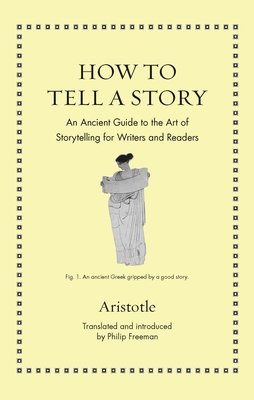
04 Jul Book Review of How to Tell a Story: An Ancient Guide to the Art of Sto…
Discovering the Art of Storytelling with Aristotle
As a book blogger, I often find myself enchanted by the timelessness of literature, and when I stumbled upon How to Tell a Story: An Ancient Guide to the Art of Storytelling by Aristotle, I felt like I had hit the literary jackpot. In an age dominated by fleeting social media snippets and 30-second reels, revisiting Aristotle’s intricacies of storytelling seemed both essential and enlightening. With Philip Freeman’s accessible translation and thoughtful introduction, I was eager to dive into this ancient text that promised both humor and wisdom, and it certainly delivered.
Aristotle’s Poetics is a subtle treasure trove of insights into storytelling, which he argues is fundamentally about plot. One quote that resonated with me was, “The most important element in any tragedy is plot.” This principle is beautifully underscored as Aristotle navigates the significance of structure in storytelling—from the necessity of a beginning, middle, and end to the poignant reminder that a story must evoke "pity and fear." Freeman’s modern translation makes these age-old concepts feel relevant, if not urgent, reminding us that great storytelling can transport us to different worlds and evoke deep emotions.
I found it fascinating how Aristotle contrasts tragedy with comedy, noting, “Tragedy imitates a better sort of person than us. Comedy imitates people worse than we are.” This differentiation gave me a chuckle while simultaneously making me reflect on how our storytelling preferences have evolved. It’s interesting, sometimes funny, and yes, even occasionally offensive to modern sensibilities. Yet, it’s an honest representation of Aristotle’s time. Freeman’s introduction adds layers to this context, making it easier to digest though it can still feel a bit, well, archaic.


The passages on characterization are particularly thought-provoking. Aristotle asserts that “the characters are good if their choices are good.” He touches on the nuances of character development in such a way that ignites a conversation on morality, autonomy, and the nature of choice itself. Sure, the inclusion of gender perspectives may raise eyebrows today—especially with notions about women being lesser in courage—but these discussions are essential in evaluating how far we’ve come in storytelling.
Freeman’s translations are a breath of fresh air. They are approachable and often leave me marveling at how relevant these ancient insights are today. I found myself pondering Aristotle’s assertion about the pivotal nature of plot: “If any of its episodes were rearranged or removed, the whole story would be disturbed.” This reflection not only resonates in literature but also in daily communication—a vital insight for anyone wishing to convey impactful messages.
In terms of style, Freeman captures the essence of Aristotle with clarity while avoiding excessive formality that could alienate readers. There’s a conversational quality that invites you in, as if Aristotle himself were penning letters to you from the past.
I’d recommend How to Tell a Story to writers, teachers, or anyone with a love for storytelling—whether you’re crafting your own tales or delving into the art of critique. It’s an enriching experience that deepens your appreciation for narrative structure and character development. For me, it was a personal journey of reflection; the book not only illuminated ancient wisdom but revived my own passion for storytelling in myriad forms.
So, whether you’re a budding storyteller or a seasoned reader, this book promises both inspiration and a hearty laugh or two. Grab your pen, cozy up in your reading nook, and prepare to reimagine the stories you tell and love.
Discover more about How to Tell a Story: An Ancient Guide to the Art of Sto… on GoodReads >>
