



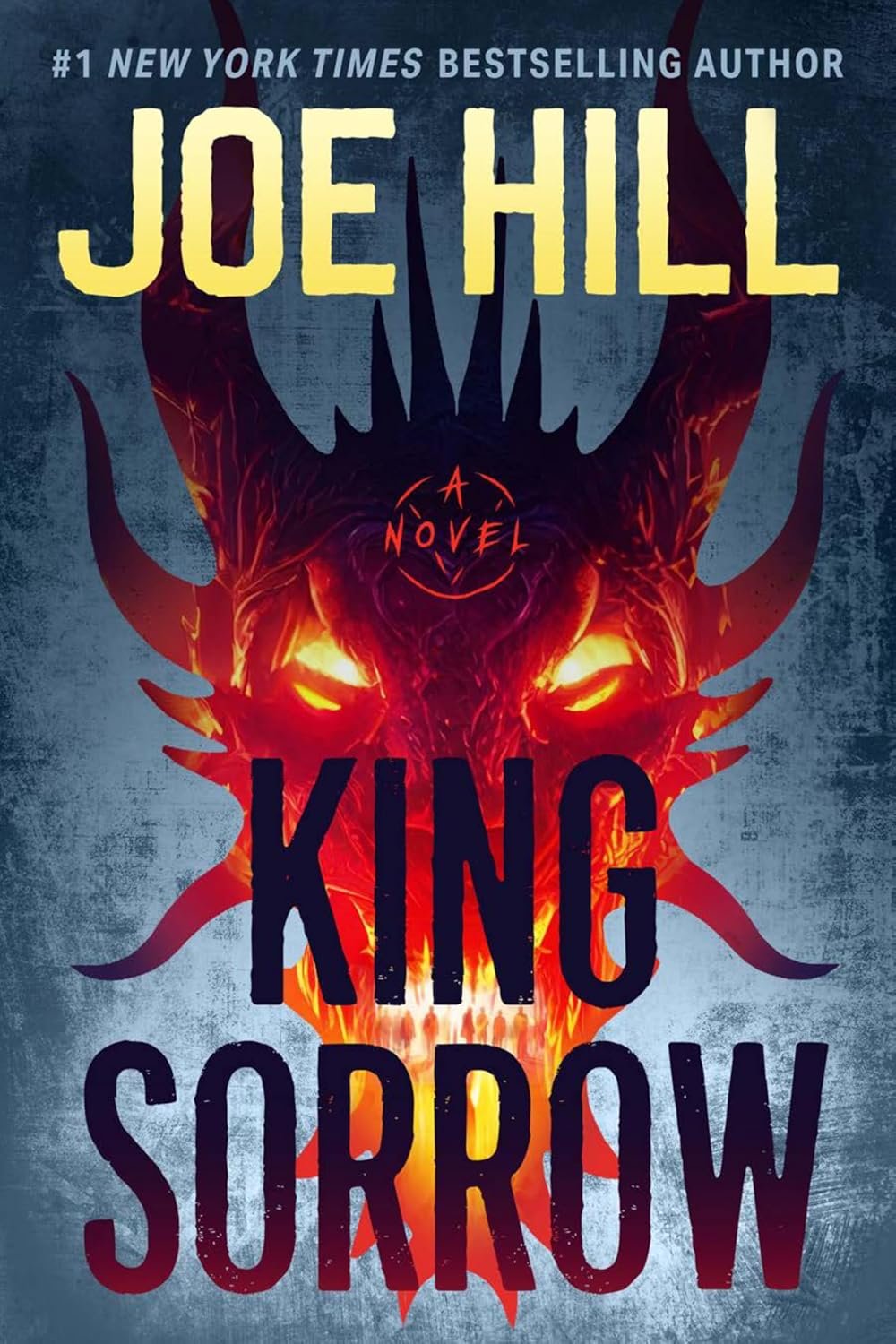
06 Nov Book Review of King Sorrow
King Sorrow: A Journey Through Darkness and Redemption
From the moment I heard that Joe Hill, the son of the legendary Stephen King, was releasing his latest novel, King Sorrow, I felt a jolt of anticipation mixed with trepidation. After all, exploring a work penned by someone who has spent two decades carving his own niche in the literary world—while unmistakably influenced by his father—promised to be anything but ordinary. As I dived into this sprawling 900-page epic, I quickly realized that Hill’s distinctive voice was alive and well, embodying a rich tapestry of fantasy and horror that both thrilled and haunted me.
At its core, King Sorrow introduces us to Arthur Oakes, a college literature student who stumbles into a Faustian bargain with the titular dragon, King Sorrow. This central figure—a high dragon reminiscent of classic fantasy tropes—transforms into a malevolent force that holds Arthur and his friends’ fates in a precarious balance. The pact they form in a desperate attempt to save Arthur’s imprisoned mother leads them down a path stained with betrayal and anguish. This premise captivated me from the get-go, threading together themes of ambition, sacrifice, and the insatiable human thirst for power.


Hill’s narrative style is both eloquent and brutal, skillfully juxtaposing poignant character moments with nightmarish imagery. The pacing kept me on my toes; the beginning unfurled slowly, allowing us to delve deeply into the motivations and backstories of Arthur and his friends. While initially I felt some parts dragged, I soon appreciated the intricacies of character development as it immersed me in their struggles. By the time the stakes escalated, and Hill started unleashing the true horror of their choices, I found myself clutching the book, heart racing, eager yet terrified of what was to come.
One moment that resonated deeply was a cheeky nod to Stephen King’s own lore, a delightful Easter egg that reminded me of the interconnectedness of their worlds. It appealed to the nostalgic reader in me and hinted at how Hill embraces his father’s influence while forging a unique storytelling path.
However, there were moments when I found myself questioning whether Hill played it too safe. I grew concerned that the characters wouldn’t face the true repercussions of their poor choices. Just when I thought I had it all figured out, Hill threw a curveball. He took my wishes for more intensity and viciously delivered heart-wrenching moments that left me reeling. There’s a powerful lesson here: be careful what you wish for, because King Sorrow doesn’t pull any punches.
As I reached the conclusion, I was left in a state of reflective awe. Hill manages to weave a narrative that, while echoing themes found in other masterpieces, particularly in discussions of fate and morality, is distinct in its execution. Readers who enjoy exploring the dark recesses of humanity and those who appreciate a blend of fantastical and horrifying elements will find King Sorrow a potent and unforgettable experience.
In retrospect, reading King Sorrow was akin to embarking on a harrowing yet beautiful journey, one that challenged my emotional limits and left me contemplating the cost of our actions long after I closed the book. If you find yourself intrigued by tales that intertwine mortal flaws with mythic horror, then look no further—Joe Hill has gifted us another masterpiece that deserves a place on your bookshelf.
Discover more about King Sorrow on GoodReads >>
