



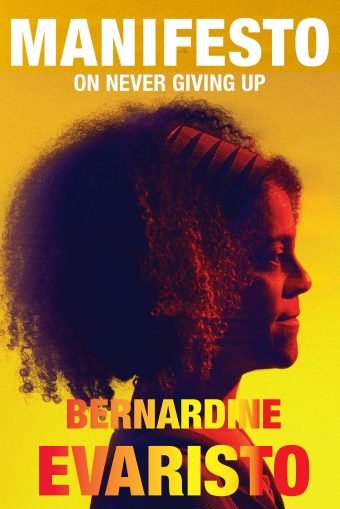
30 Aug Book Review of Manifesto: On Never Giving Up
Review: Manifesto: On Never Giving Up by Bernardine Evaristo
When I first picked up Manifesto: On Never Giving Up by Bernardine Evaristo, I felt a magnetic pull. As a fellow writer navigating the complexities of creativity and identity, the title alone resonated with me. To hear such powerful words from someone I admire deeply—who also happens to be the first Black woman to win the Booker Prize—was thrilling. This book became an unexpected companion during a tumultuous chapter in my own writing journey, and I couldn’t wait to dive into the pages of her reflections.
Evaristo’s work unfolds in seven thoughtfully crafted sections, each peeling back layers of her life and writing philosophy. From her roots in a multicultural family to the challenges of navigating homes, relationships, and the literary world, each chapter feels like a ripple in the fabric of her growth as an artist. Through her narrative, she explores the intricate connections between her personal experiences and broader issues of race, gender, and identity. I found her examination of the complexities of humanity, especially the cruelties and kindnesses people embody, particularly striking.





However, as the book drifted into the kind of blanket statements common to much contemporary discourse—essentially a beginner’s guide to wokeness—I felt a familiar frustration. Evaristo’s powerful voice sometimes seemed overshadowed by the weight of well-trod ideas. At one point, she asserts, “no two people are the same," which, while true, felt more like a given than a revelation. I wished for more of her individual experiences—the juicy, personal stories that paint a fuller picture of her journey, rather than a prescriptive, almost educational tone that could run the risk of losing readers already familiar with these concepts.
Yet, when Evaristo delves into her relationships, her vulnerability shines through. Her story of an emotionally and physically abusive relationship is raw and moving; it transcends the generalities of her earlier essays. This genuine introspection resonates, not just as a feminist account but as a shared human experience of reclaiming one’s self. Evaristo writes, "As my resolve deepened over the decades, I was never prepared to settle for less than I desired." This stubborn refusal to settle for mediocrity is a clarion call not only to aspiring writers but to anyone striving to break free from the status quo.
The moments when she reveals her struggles in publishing and her tenacity in refusing to conform to commercial pressures stood out as some of the book’s most powerful insights. It inspires a kind of solidarity—as if she beckons us all to pursue our dreams with the same stubbornness.
If Manifesto leans more into being a memoir, it truly excels. However, I found myself yearning for deeper explorations of her creative process, her family history, and the intricacies of her relationships. Evaristo is undeniably a trailblazer, and her reflections set a brilliant stage for a full memoir, exploring the triumphs and challenges she has faced in an industry often resistant to change.
For those who are fans of Evaristo’s work or who are searching for inspiration in their own creativity, Manifesto: On Never Giving Up provides a compelling mix of insight and motivation—even as it also stumbles into educational territory that may feel redundant to some. It’s a reminder that while we each navigate our paths differently, the lesson of perseverance remains universal. If you’re a dreamer, a striver, or simply intrigued by the confluence of art and activism, this book may serve as a supportive guide on your journey—a gentle nudge reminding you to never give up.
So, dear readers, if you’ve ever found yourself at a crossroads, questioning your worth in your artistic pursuits, then Bernardine Evaristo’s Manifesto may just spark a renewed passion in you, as it did for me, encouraging you to push forward despite the challenges.
Discover more about Manifesto: On Never Giving Up on GoodReads >>
