



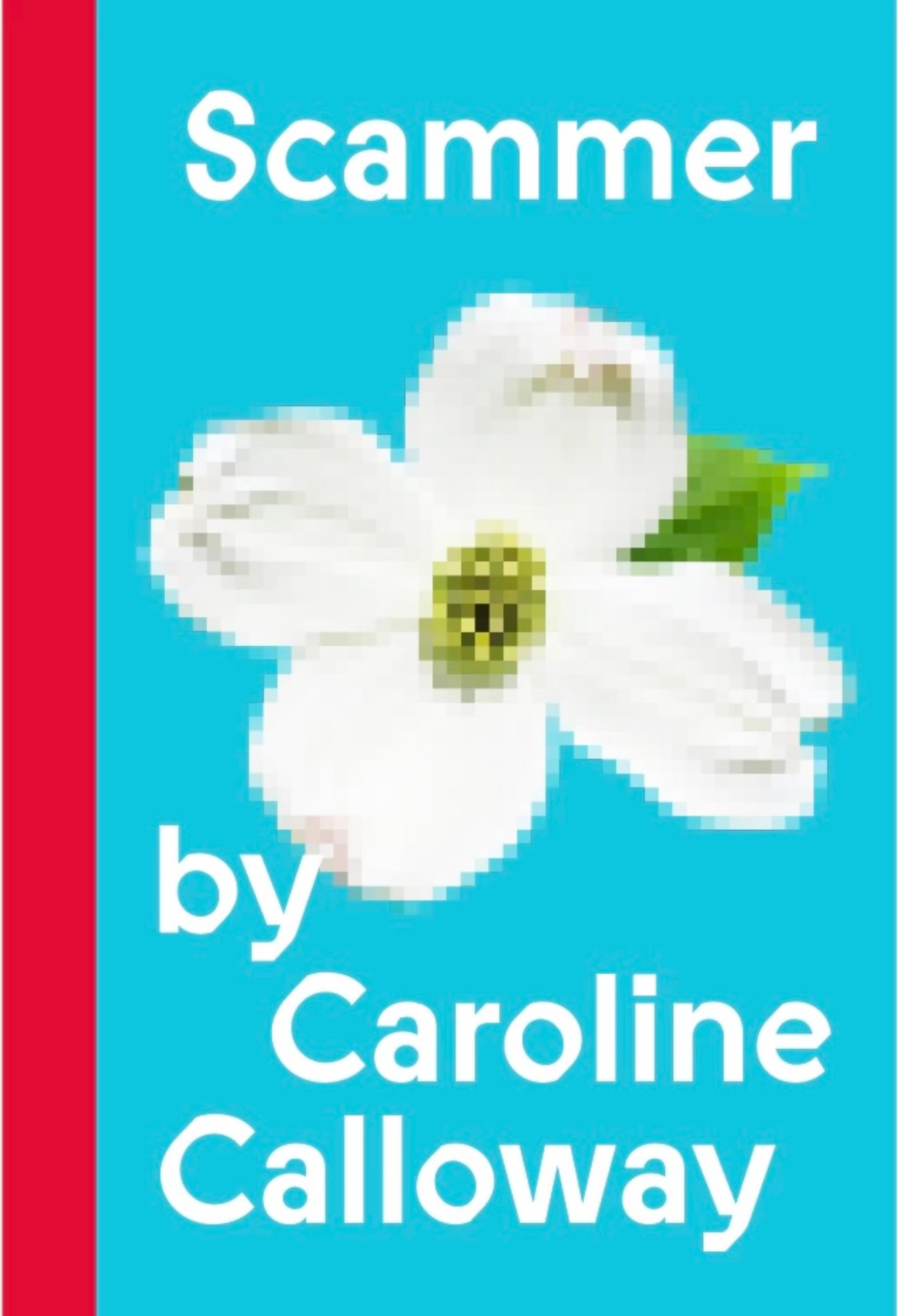
29 Nov Book Review of Scammer
Scammer by Calloway Calloway: A Chaotic Memoir of Misguided Intentions
If you’re anything like me, you’re always drawn to books that promise to unravel the intricacies of human experience, offering fresh perspectives on self-identity. When I stumbled upon Scammer by Calloway Calloway, it was the buzz around its eccentric wordplay and the promise of a “raving-mad masterpiece” that piqued my curiosity. Little did I know, what awaited me within those slim 150 pages was less of a coherent narrative and more of a chaotic exploration of someone who seems determined to turn their entire existence into a memoir, regardless of the substance.
From the outset, I found myself immersed in a kaleidoscope of vignettes, almost like an erratic scrapbook of Calloway’s thoughts and experiences. The narrative splinters into nearly 70 chapters, each packed with digressions so random that they often overshadow the actual stories. For instance, how does comparing Bronze Age coins to social media fit into a personal reflection on family and memory? Spoiler: it doesn’t. Calloway seems to delight in the absurd, weaving in tangents that could evoke both confusion and, on rare occasions, a giggle. But for the most part, the writing often veered into the territory of tedium, leaving me within a maze of incomprehensible prose.
While the digressions could have been an intriguing canvas for exploring deeper themes, it felt like Calloway was wielding a thesaurus with the subtlety of a crowbar—hurling out phrases that often seemed narcissistic rather than insightful. For example, she reminisces about memories and their necessity for self-definition, yet these fleeting reflections are drowned beneath an avalanche of convoluted imagery, like “a milky portal had been struck into an opalescent slit.” To top it off, I learned through some backtracking that this line was borrowed from Carmen Maria Machado, which only made me chuckle in disbelief.



Despite my struggles with the prose, there were glimmers of clarity, particularly within Calloway’s honest moments of self-reflection regarding her motivations for writing. The raw honesty in her admission, “I became a memoirist in the first place because I don’t know who I am unless my memories are shared,” struck a chord. It resonated deeply with me—there’s something relatable in the idea of seeking validation through our stories, even if it was buried beneath a pile of awkward self-promotion.
Parsing through Calloway’s hazy introspections, I ultimately found myself questioning who this book was really for. Perhaps memoir enthusiasts will be curious to peer into the life of someone fixated on becoming a memoirist; however, I couldn’t help but feel the glaring absence of any meaningful introspection. Most of the compelling parts of the book were rehashed from previous works, lacking the fresh energy one typically craves from a memoir.
In conclusion, Scammer is a significant—and often confusing—experiment in narrative structure, exuding chaos that could resonate with a very niche audience. If you’re someone who enjoys a surreal literary ride that flirts with the unhinged but is often left feeling flat and scattered, this may just be the book for you. As for me, while I can’t say I regret reading it, I do feel a little like I’ve received a wild ride on a rollercoaster with more jerks than thrills. Proceed with caution, dear readers, but perhaps don’t cancel your next book club meeting just yet. You might find some parts worth discussing, as long as you brace for the dizzying tumble that’s ahead!
