



06 Dec Crafting Cinematic Dreams: A Practical Dive into Scriptwriting Mastery
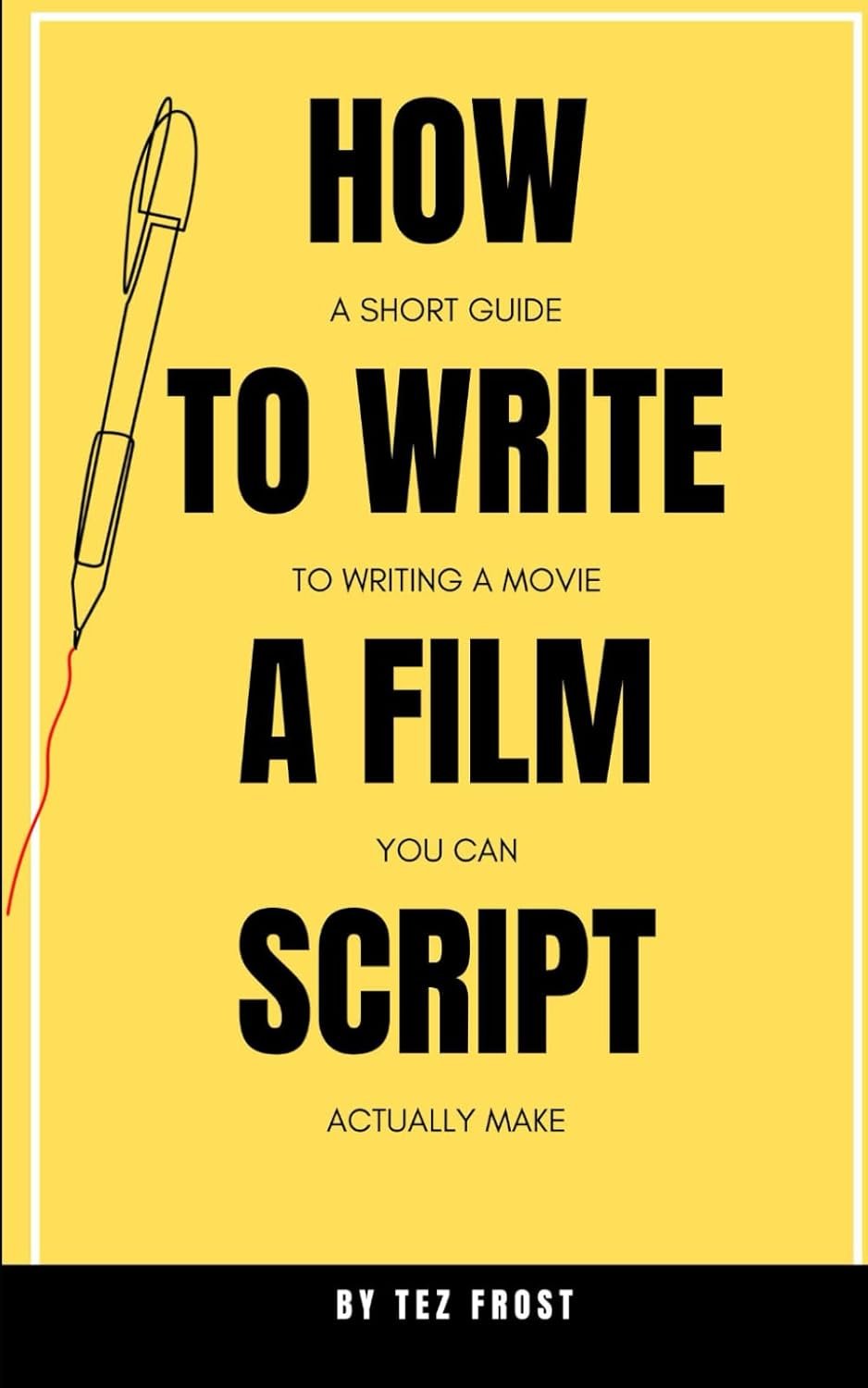
How to Write a Film Script: A Short Guide to Writing a Film You Can Actually Make – A Personal Review
When I stumbled upon How to Write a Film Script: A Short Guide to Writing a Film You Can Actually Make by the author, I felt an instant spark of excitement. Here’s a book that promises not just the what and how of screenwriting but also the all-important “can actually make” part. As someone who has always harbored dreams of writing a script, the pragmatic nature of this guide was exactly what I needed to reignite my aspirations.
From the very first pages, the book establishes a clear, user-friendly approach to screenwriting. It emphasizes leveraging your resources—whether that’s your circle of friends, a quaint local diner, or a tight budget. This theme of resourcefulness isn’t just a backdrop; it is woven throughout each chapter, making it feel personal and, dare I say, achievable. I found myself nodding along as the author underscored how often creativity thrives within constraints.
The guide skillfully balances the foundational aspects of storytelling, character development, and dialogue with actionable insights for budgeting and production. The advice on crafting compelling characters resonated deeply with me, particularly the suggestion to create protagonists and antagonists grounded in relatable attributes. The development of their relationships through authentic dialogue felt not only crucial but refreshingly intuitive.

What truly stood out, however, was the section on visual storytelling. The author’s practical tips on making even the simplest scenes visually compelling were like a lightbulb moment for me. For example, the exercise on limiting scenes to just two locations struck a chord—whether it’s two people arguing in a car or a poignant conversation in a kitchen, powerful narratives can emerge from simplicity.
One poignant testimonial from a reader perfectly captures this essence: “It just made the whole process feel real and doable.” That speaks to the heart of this guide—it offers not just theory but a real path to exploration and creation. I appreciated the straightforward style that makes the book accessible for all, especially beginners who might be overwhelmed by more complex screenwriting literature.
To the aspiring filmmakers and writers out there, I wholeheartedly recommend this book. Whether you’re looking to draft your first screenplay or refine your approach, How to Write a Film Script provides a solid launching point. Personally, it inspired me to take the leap into filmmaking—a prospect that once seemed daunting now feels within my reach.
In conclusion, if you’ve ever dreamt of penning a screenplay but felt intimidated by the process, look no further. This guide demystifies screenwriting, proving that engaging narratives and rich characters can emerge not from grand budgets but from creativity, clever resource management, and the courage to start. After all, every great film begins with a single script, and yours could be next!
