



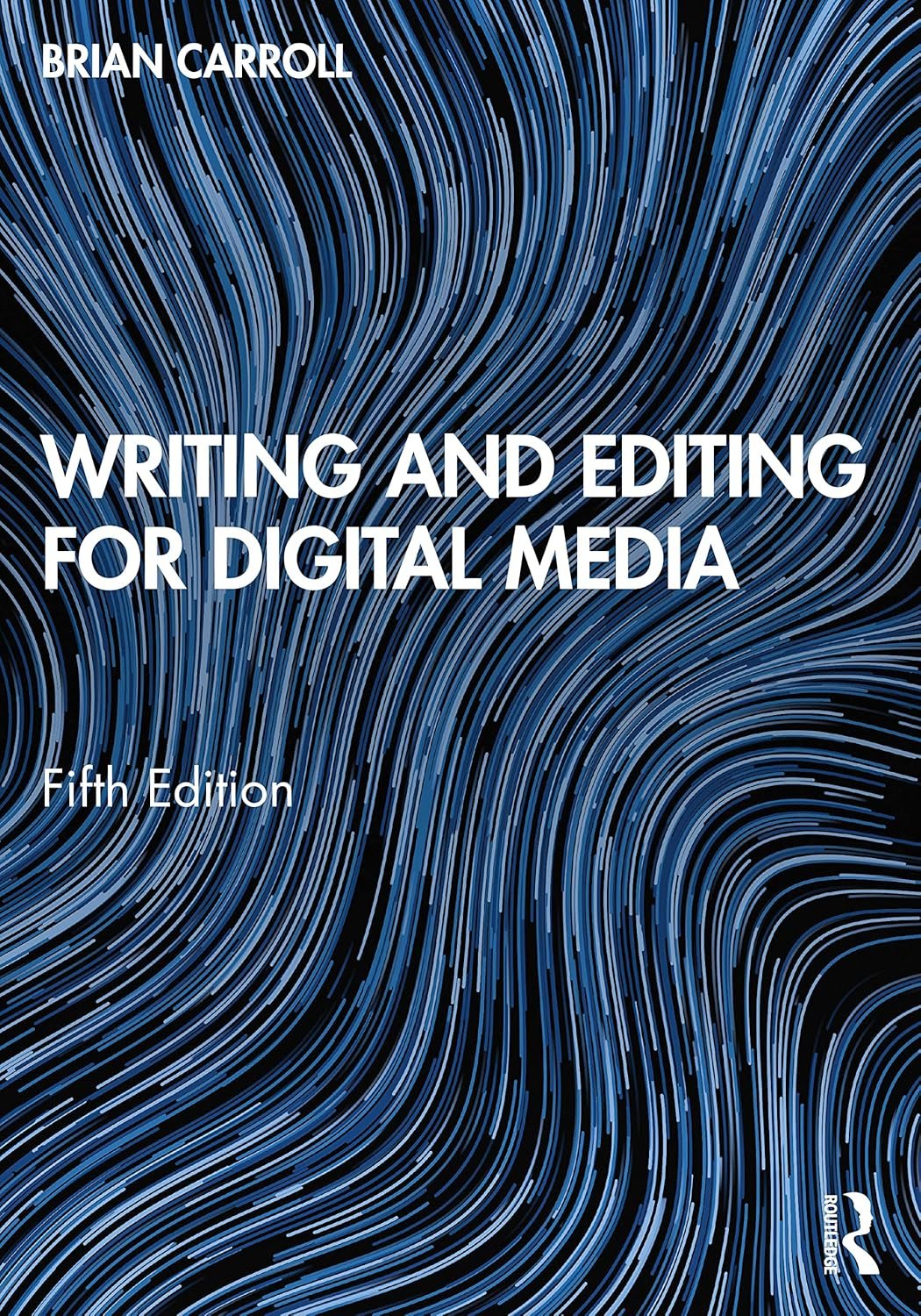
28 Sep Crafting Clarity: A Review of Writing and Editing for Digital Media
Exploring the Dynamic World of Digital Storytelling: A Review of Writing and Editing for Digital Media
When I first stumbled across Writing and Editing for Digital Media by Brian Carroll, I had no idea it would open up such a vibrant world of creativity and communication. As someone who spends a fair amount of time navigating the digital landscapes of social media and content creation, I was immediately intrigued by the prospect of a guide that promised to refine my writing and storytelling skills in this fast-paced environment. With the release of the fifth edition, I knew I was in for something special.
In this comprehensive handbook, Carroll brilliantly illuminates the intricacies of writing for digital platforms. Right from the opening chapters, it’s clear he’s not just sharing facts; he’s inviting readers into a whole new mindset. The structure of the book is also quite refreshing—each chapter flows smoothly into the next and is peppered with practical exercises that encourage immersion and practice. This is storytelling made accessible, and I appreciated Carroll’s belief that effective communication isn’t just for seasoned professionals; it’s for anyone willing to learn.
One of my favorite aspects of the book is how it addresses contemporary issues like misinformation and disinformation, topics that weigh heavily on many of us today. Carroll doesn’t shy away from the importance of responsible communication, which resonates deeply in an age where nuances often get overshadowed by sensational headlines. I couldn’t help but feel inspired by his call for writers to adopt a thoughtful approach to storytelling and media engagement, which I believe is essential for today’s budding writers and editors.



I particularly enjoyed the new chapters focused on podcasting and multi-modal storytelling. This is where Carroll shines, encouraging readers to explore the fusion of different media formats and how they can enhance a narrative. The exercises accompanying these sections were not only enjoyable but also pushed me beyond my comfort zone—prompting me to think outside the box about how stories can be told in myriad ways.
The writing style is conversational and approachable, which made it feel less like a textbook and more like a mentor sharing invaluable insights. Carroll effectively balances theory with practice; his voice is engaging, often humorously relatable, making complex concepts easier to grasp. I found myself nodding in agreement more times than I can count—his tips on finding one’s unique voice stood out as particularly impactful.
In closing, Writing and Editing for Digital Media is not just a must-read for students in media, communication, or content development; it’s an indispensable resource for anyone passionate about storytelling in the digital age. Whether you’re an aspiring journalist, a marketing aficionado, or simply someone curious about effective communication, this book will empower you to harness your creativity and shape your digital narrative.
Personally, I walked away from this read with a renewed sense of purpose—ready to tackle my digital endeavors with the insights I gained from Carroll’s words. I wholeheartedly recommend adding this volume to your reading list; you might just find yourself eager to share your own compelling stories with the world.
