



09 Dec Mastering Brevity: A Deep Dive into Writing Short Films
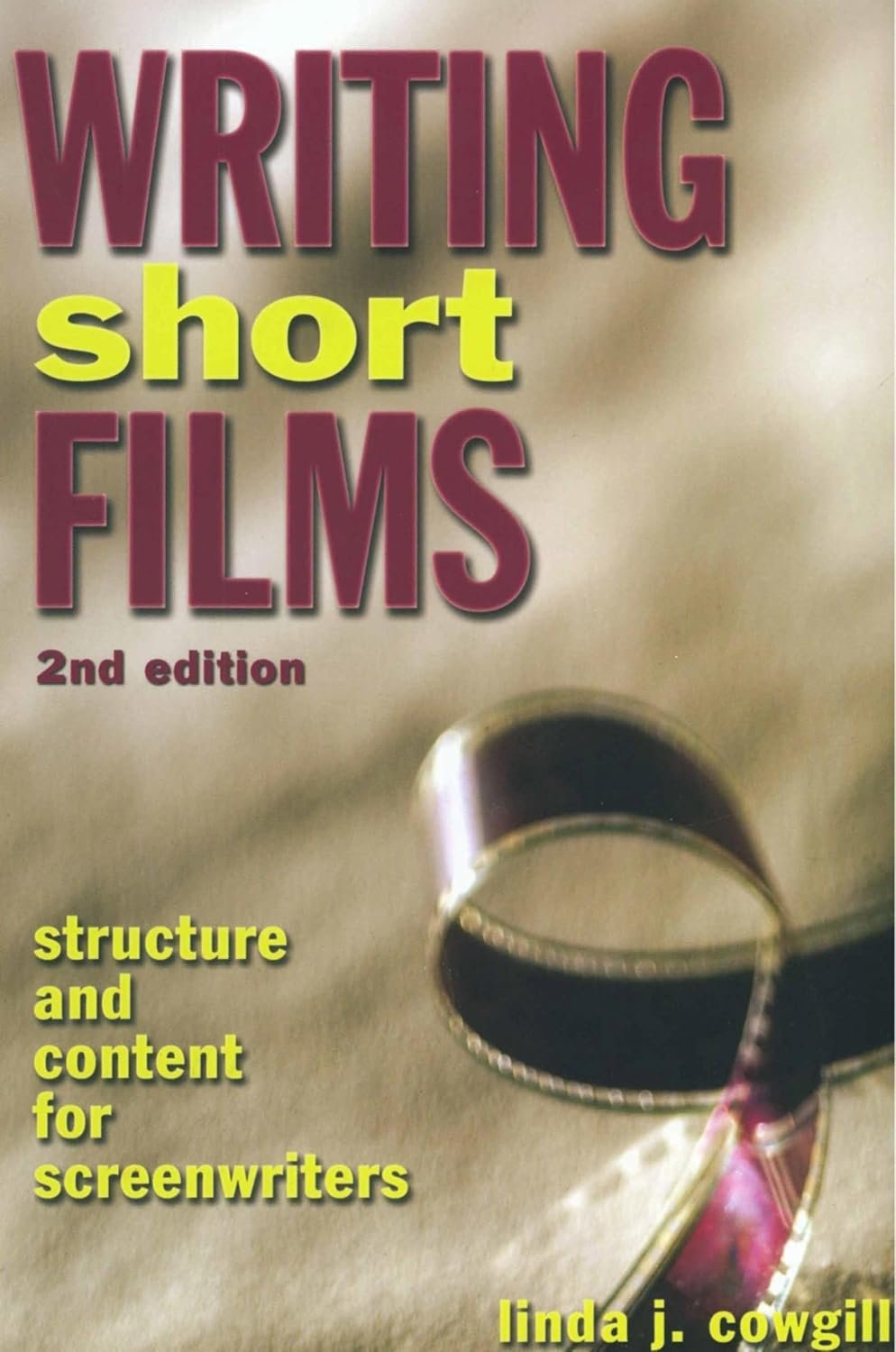
Review of Writing Short Films: Structure and Content for Screenwriters by Linda Cowgill
As a long-time fan of storytelling in all its forms, I couldn’t resist diving into Writing Short Films: Structure and Content for Screenwriters by Linda Cowgill when I stumbled upon it. This book stood out not only because it’s recognized as a top university textbook, but also because of its promise to demystify the art of short film screenwriting—a challenge that had long intrigued me. With the second edition freshly updated, I was eager to uncover Cowgill’s insights and advice.
From the very first pages, Cowgill’s friendly yet authoritative voice created an inviting atmosphere. She balances theory with practicality, guiding readers through the nuances of developing compelling short film narratives. The structure of the book is thoughtfully laid out, featuring clear chapters that encompass everything from character development to the specificities of plot structure. What truly caught my attention was her emphasis on the unique nature of short films—how every second counts, and how a concise, impactful narrative can resonate just as powerfully as a feature-length story.
Cowgill’s writing style struck me as approachable and conversational, making complex concepts easy to digest. I found myself nodding along as she broke down the essence of short films—how they demand precision and clarity, yet allow room for creativity and experimentation. For instance, her section on thematic clarity made me reflect on my own writing processes; she encourages screenwriters to distill their ideas into a single, potent statement—something that’s becoming increasingly relevant in our fast-paced content landscape.

In her discussions, Cowgill showcases exemplary short films that serve as practical case studies, which I appreciated immensely. This aspect felt like having a mentor sitting across the table, sharing personal experiences within a workshop setting. One of her insights that lingered with me was her assertion that "the strongest stories are deceptively simple." This reminded me that sometimes, less is indeed more—a lesson I often need to revisit in my own creative endeavors.
The testimonials from readers echo my sentiments, with one calling it “the best book on screenwriting” they’ve ever encountered. Others emphasize the actionable steps, which I found particularly motivating. For anyone feeling intimidated by scriptwriting, Cowgill’s guidance feels like a gentle nudge, assuring you that it’s not as daunting as it seems.
Overall, I would recommend Writing Short Films to aspiring filmmakers, students of screenwriting, and anyone interested in the art of concise storytelling. This book doesn’t just aim to teach; it fosters your passion for writing, nudging you to explore the depth within brevity. My journey through its pages has rekindled my excitement for crafting narratives and armed me with new tools for my creative toolkit.
Whether you’re just starting or looking to refine your skills, this book is a treasure trove of insights and encouragement. Linda Cowgill invites you to embrace the challenges of writing short films—with warmth and wisdom that make the process feel less like an obligation and more like a wonderful adventure. 📽️✨
You can find Writing Short Films: Structure and Content for Screenwriters here >>
