



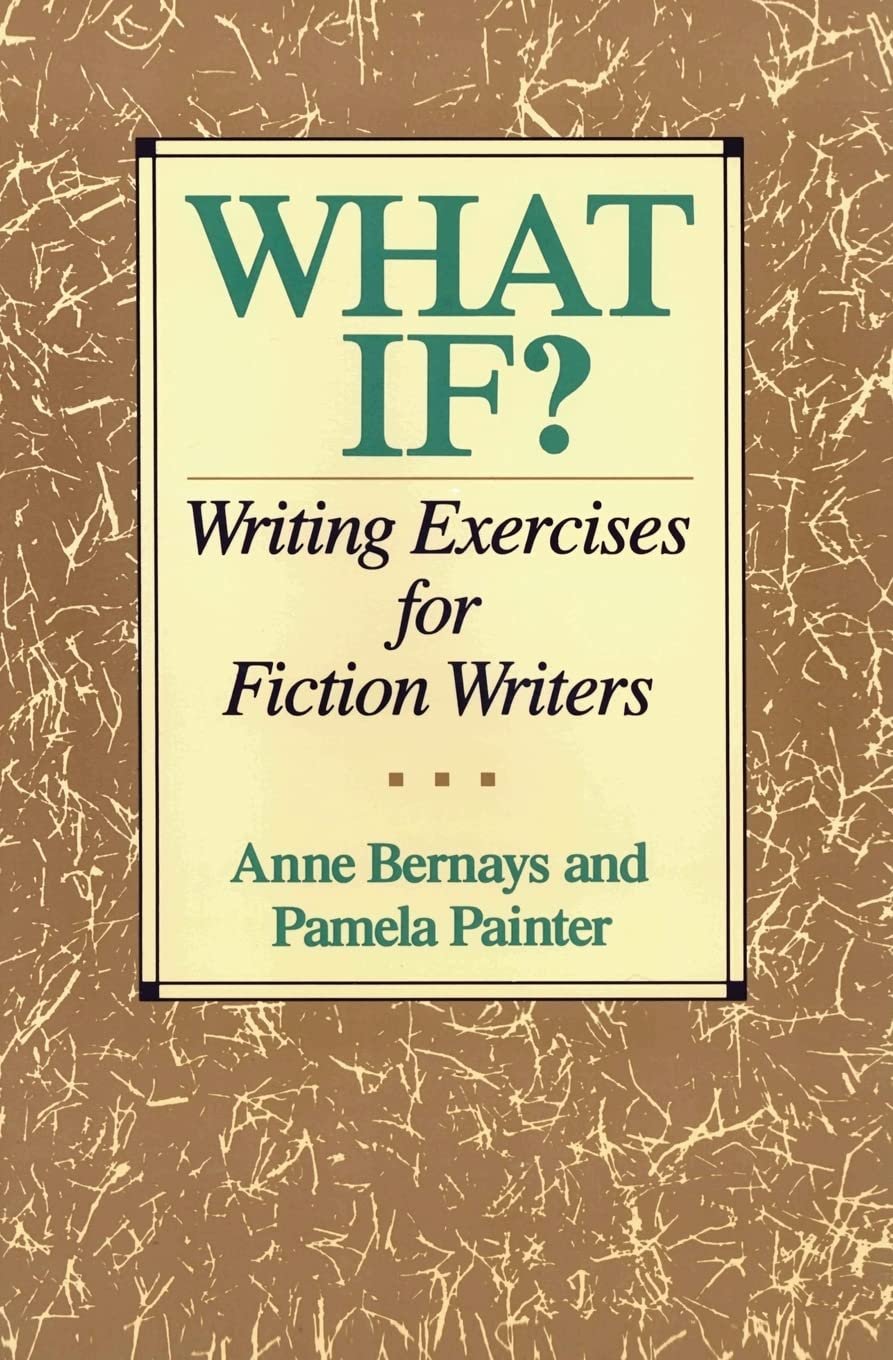
27 Aug Unlocking Creativity: Exploring the Potential of ‘What If?’ Writing Exercises for Fiction Writers
What If? Writing Exercises for Fiction Writers – A Reflection
As a writer, there are moments when you feel stuck, grappling with where to take your characters or how to unearth that elusive spark of creativity. It was during one of these frustrating periods that I stumbled upon What If? Writing Exercises for Fiction Writers by Anne Bernays and Pamela Painter. This book, a treasure trove of writing exercises, called to me like a siren song, promising to unlock the doors of inspiration and creativity. It was a choice that would prove instrumental in reshaping my approach to fiction writing.
From the moment I opened its pages, I was drawn into a world where creativity harnesses the power of the "what if?" This mindset—beginning every exploration or exercise by pondering various possibilities—started to permeate not just my writing but also my everyday thinking. Bernays and Painter, with more than twenty-five years of combined teaching experience, guide us through more than seventy-five exercises aimed at honing both the technical and imaginative aspects of storytelling.
The structure of the book neatly balances foundational skills with adventurous prompts. Topics range from understanding where exactly to begin and end a story to discovering the delicate art of dialogue versus indirect discourse. What I appreciated most was how these exercises don’t merely elicit surface-level responses; they dig deep, nudging you to explore real emotions, motives, and the intricacies of language. At one point, while working through an exercise on transforming real events into fiction, I found myself not just scribbling words, but reconnecting with a part of my own narrative I had buried under layers of doubt.
Bernays and Painter’s style is approachable yet deeply insightful. The pacing of the exercises varies pleasantly, encouraging you to experiment rather than race through them. I particularly loved the exercise that prompted reflections on the incongruities of human experience, which helped me define character motivations in a way that felt authentic and relatable. The book is sprinkled with gems of wisdom, such as, “The importance of observation is at the heart of writing,” reminding me of the power of noticing the little things around me.
Memorable quotes leap off the pages, such as when they note that writing like a writer involves both courage and vulnerability. This resonated deeply with me as I navigated my own fears of inadequacy. The book doesn’t just provide exercises; it serves as a quiet mentor, coaxing you to step outside your comfort zone and embrace the messiness of the writing process.
If you’re a budding fiction writer or even a seasoned novelist seeking a reboot, What If? deserves a place on your shelf. Its concoction of practical exercises and reflective prompts offers both inspiration and a sense of direction when you feel adrift in storytelling. My journey with this book illuminated the path for my writing endeavors and reminded me that creativity is not a destination, but rather an enriching, ever-evolving process.
In the end, What If? is more than a collection of exercises; it beckons you to think bigger, to dream wilder, and to write with both fervor and intention. So, unpack it, delve into its exercises, and let your imagination roam freely. Because who knows? The next extraordinary story may just emerge from your engagement with these pages.
You can find What If? Writing Exercises for Fiction Writers here >>
